On this page
Refugees
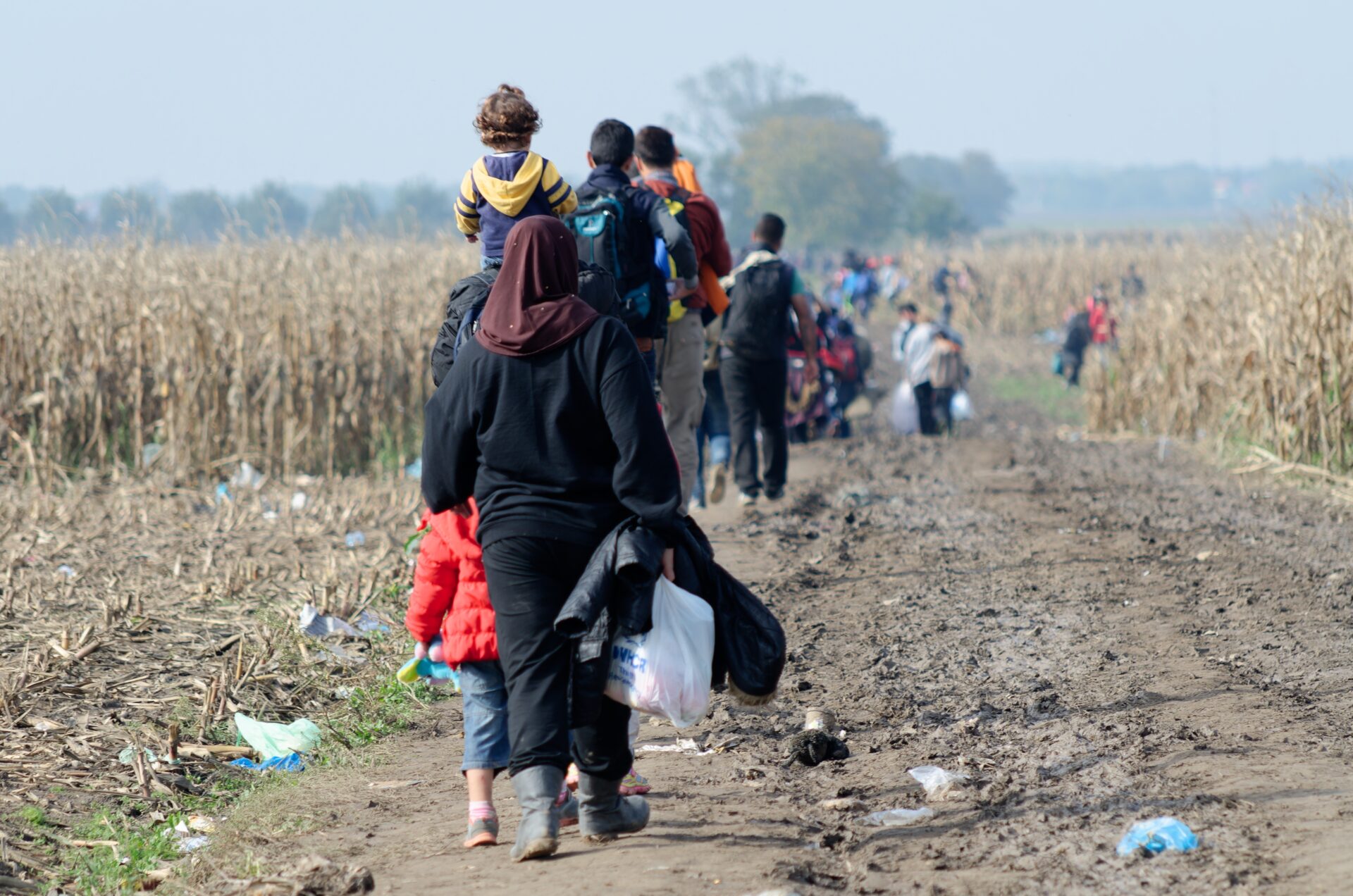
Refugees are people forced to flee their homes because of persecution in the context of organised violence. People with refugee experiences have often experienced significant human inflicted pain and suffering, including human rights abuses. A ‘refugee’ as any person who has a well-founded fear of being persecuted because of their:
- Race
- Religion
- Nationality
- Membership of a particular social group
- Political opinion
FASSTT often uses the term ‘refugee’ to refer to people who enter Australia specifically as refugees as well as those who come from a refugee-like background. Refugee-like includes people who have had similar experiences or might be impacted by the intergenerational impact of refugee trauma (e.g., a young person born in Australia whose parents arrived as refugees).
At the end of 2024, an estimated 123.2 million people worldwide were forcibly displaced and of this 36.8 million are refugees. This is due to persecution, conflict, violence, human rights violations and events seriously disturbing the public order (UNHCR Global Trends).
Refugees originate from just five countries
Asylum Seekers
A person seeking asylum is someone who has fled their country of origin and is waiting for a decision on their application for protection as a refugee.
Under the Universal Declaration of Human Rights and the 1951 Refugee Convention (and its 1967 Protocol), everyone has the right to seek asylum from persecution and to have their claim for protection fairly assessed.
Asylum seekers often face significant uncertainty while waiting for their protection claims to be determined. This period can extend for months or years, during which people may experience financial hardship, housing insecurity, social isolation, and anxiety about family members who remain overseas. For many, these experiences occur against a backdrop of torture, trauma, persecution, loss and displacement, leaving them with complex recovery needs.
FASSTT agencies work with people seeking asylum across Australia, whether they are living in the community or in immigration detention. Support focuses on safety, recovery and inclusion, and is provided through trauma-informed and culturally responsive counselling, group and community programs and partnerships with local health and social service providers.
FASSTT’s approach recognises that recovery begins when people feel safe, respected, and connected. Through specialised trauma services, advocacy and community engagement, FASSTT agencies help asylum seekers rebuild trust, restore wellbeing, and participate in Australian life while their status is being resolved.
For more information on current policy settings and services available to asylum seekers, see the Refugee Council of Australia.
Australia’s Refugee and Humanitarian Program
Australia’s Refugee and Humanitarian Program provides protection to people displaced by persecution, conflict, and human rights violations, and supports their settlement and participation in Australian society. The program assists people who are granted humanitarian visas offshore, before arriving in Australia, enabling them to rebuild their lives in safety and contribute to their new communities.
The Australian Government funds a range of settlement services to assist humanitarian entrants during their initial period of settlement. These services aim to build independence, promote participation, and reduce long-term reliance on support services.
The Humanitarian Settlement Program (HSP) is the primary program supporting newly arrived humanitarian entrants. It provides case-managed support to help clients develop the knowledge and skills needed to live independently and participate fully in Australian life. Services are delivered through a needs-based case management approach, supporting outcomes across key areas including:
Orientation to Living in Australia
Housing
Employment and education pathways
English language learning
Health and wellbeing
Financial management
Family functioning and social support
Community participation and connection
The HSP works in combination with other settlement and mainstream services, including the Settlement Engagement and Transition Support (SETS) program, which provides longer-term, community-based support to humanitarian entrants and eligible migrants. The Adult Migrant English Program (AMEP) also plays a vital role by helping newly arrived migrants and refugees develop the language skills needed to participate fully in Australian life.
Refer to the Department of Home Affairs for more information about Australia’s Humanitarian Settlement Program.
The Role of FASSTT Agencies
FASSTT agencies play a specialist role within and alongside the Refugee and Humanitarian Program, providing trauma recovery and mental health services to people who have survived torture and trauma.
Working in partnership with HSP, SETS and AMEP providers, FASSTT agencies ensure that psychological recovery and settlement support are coordinated and mutually reinforcing. This includes:
- Providing trauma-focused counselling, group and community programs.
- Supporting care for clients with complex trauma or mental health needs.
- Offering trauma-informed training and secondary consultation to settlement, AMEP and mainstream providers.
- Supporting new and emerging communities to strengthen recovery, connection and participation.
Through this partnership model, FASSTT agencies help ensure that humanitarian entrants receive integrated, culturally responsive support that addresses both practical settlement needs and the impacts of torture and trauma – enabling individuals and families to rebuild their lives and thrive in Australia.
For more information about Australia’s Refugee and Humanitarian Program, refer to the Department of Home Affairs and the Settlement Council of Australia.