On this page
Celebrating 30 years of the PASTT Program
For thirty years, the Program of Assistance for Survivors of Torture and Trauma (PASTT), delivered through the member agencies of the Forum of Australian Services for Survivors of Torture and Trauma (FASSTT) – has stood as a global leader in specialist, trauma-focused care for people from refugee backgrounds. In the face of unimaginable pain and systemic injustice experienced by survivors prior to arrival, the program has embodied Australia’s enduring commitment to human dignity, healing, and hope.
Since 1995, the eight member agencies of the FASSTT network, located across all states and territories, have provided tailored support to more than 150,000 individuals and families recovering from the physical, psychological and social impacts of torture and refugee-related trauma.
Funded by the Commonwealth Department of Health, PASTT enables the delivery of integrated clinical care, group work, community development, sector capacity building, and systemic advocacy. This approach offers a holistic pathway to recovery grounded in cultural safety and human rights.
In 2025 we celebrated this incredible milestone. As we look to the future, the FASSTT network recommits to its foundational principles: placing survivors at the centre, advancing culturally safe and rights-based care, and building a society where recovery is possible, connection is sustained, and justice is never out of reach.
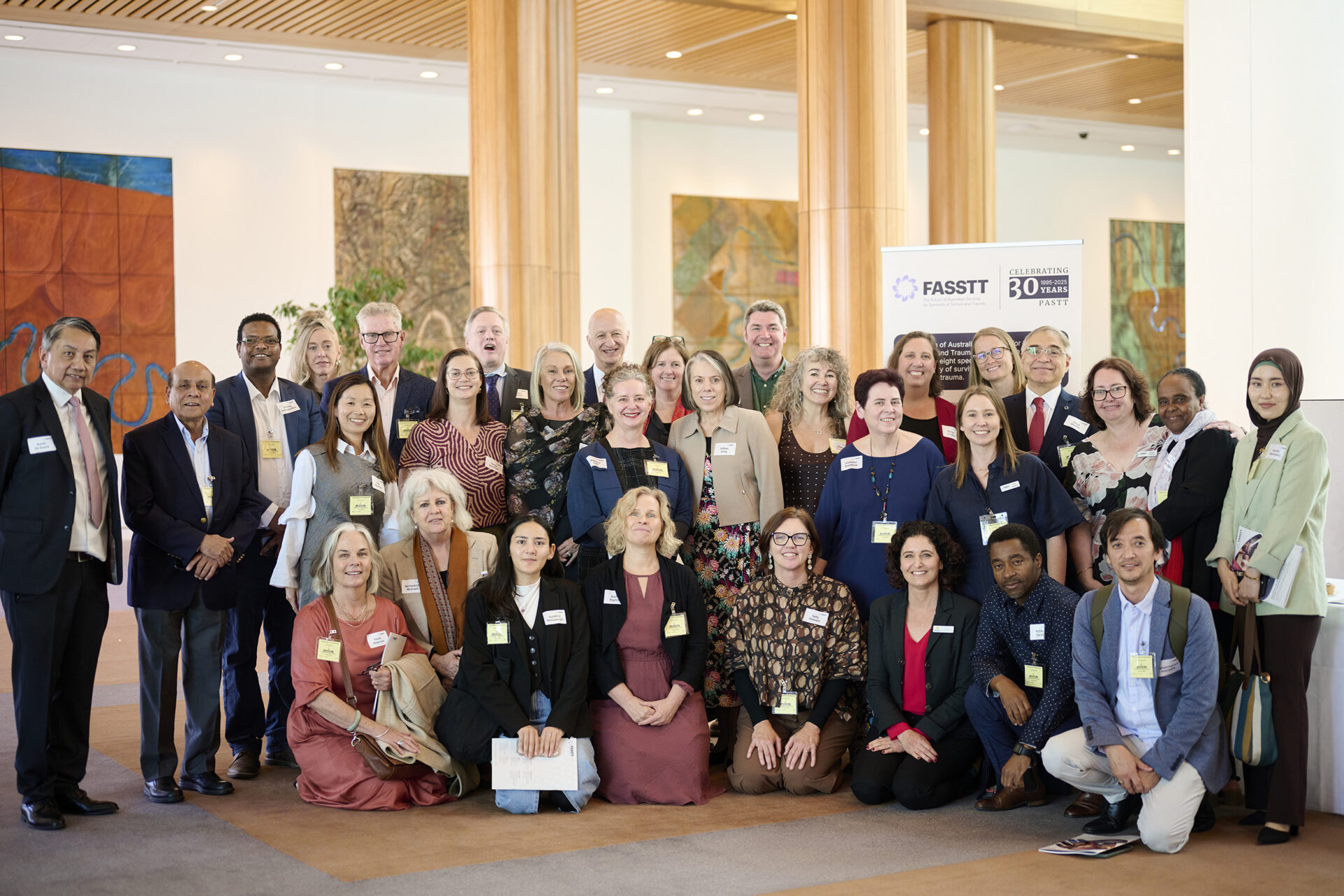
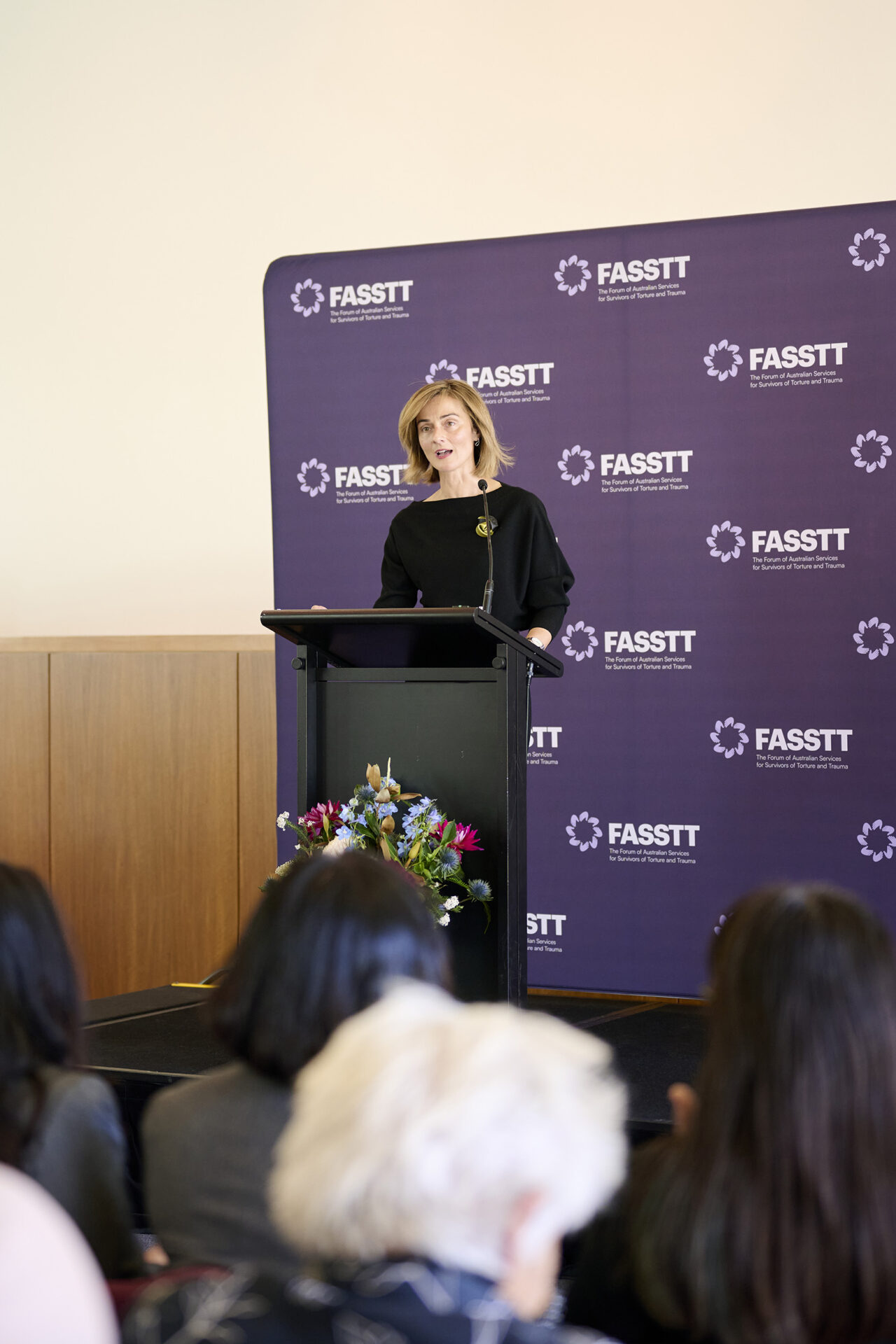
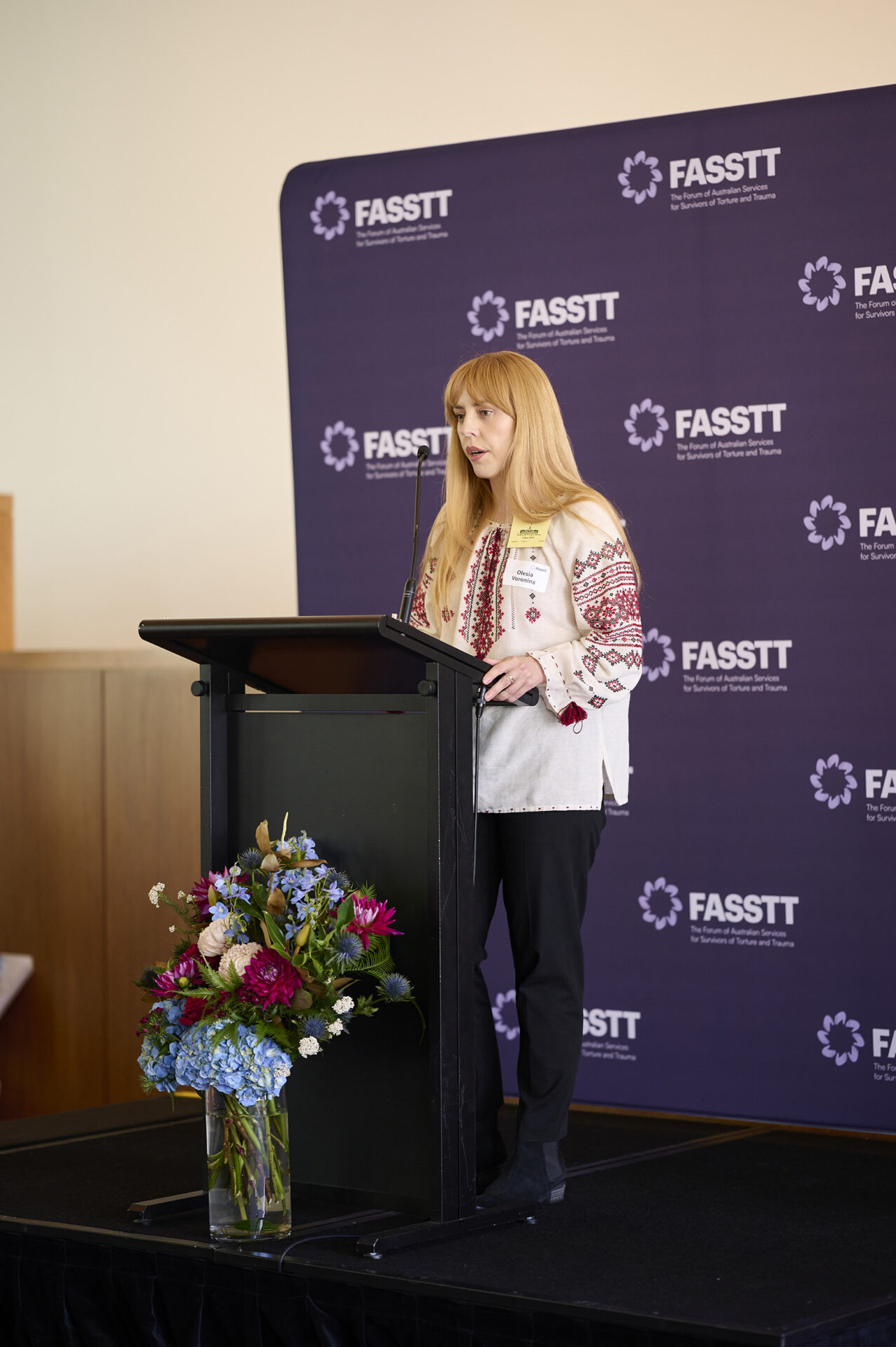
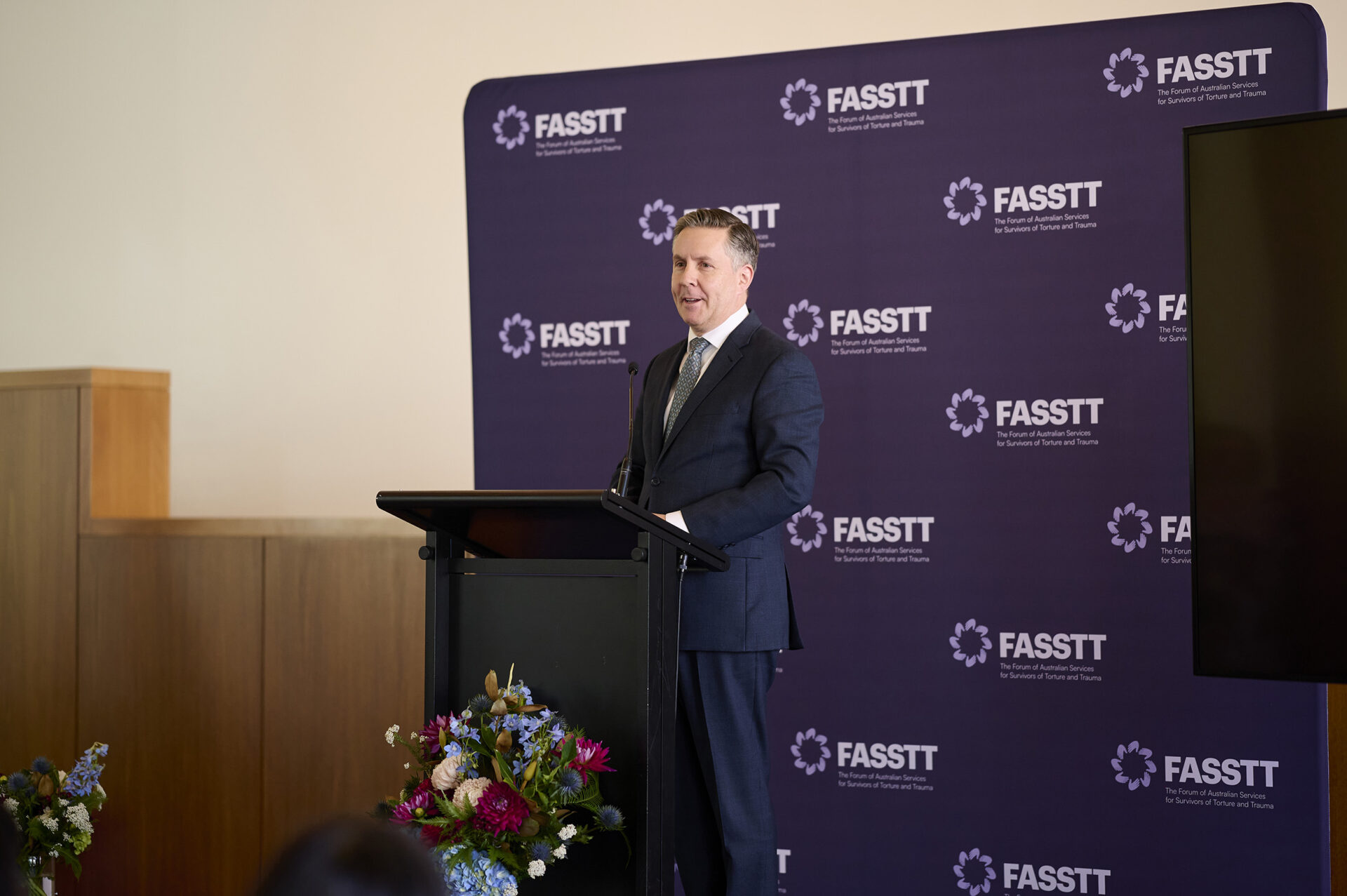
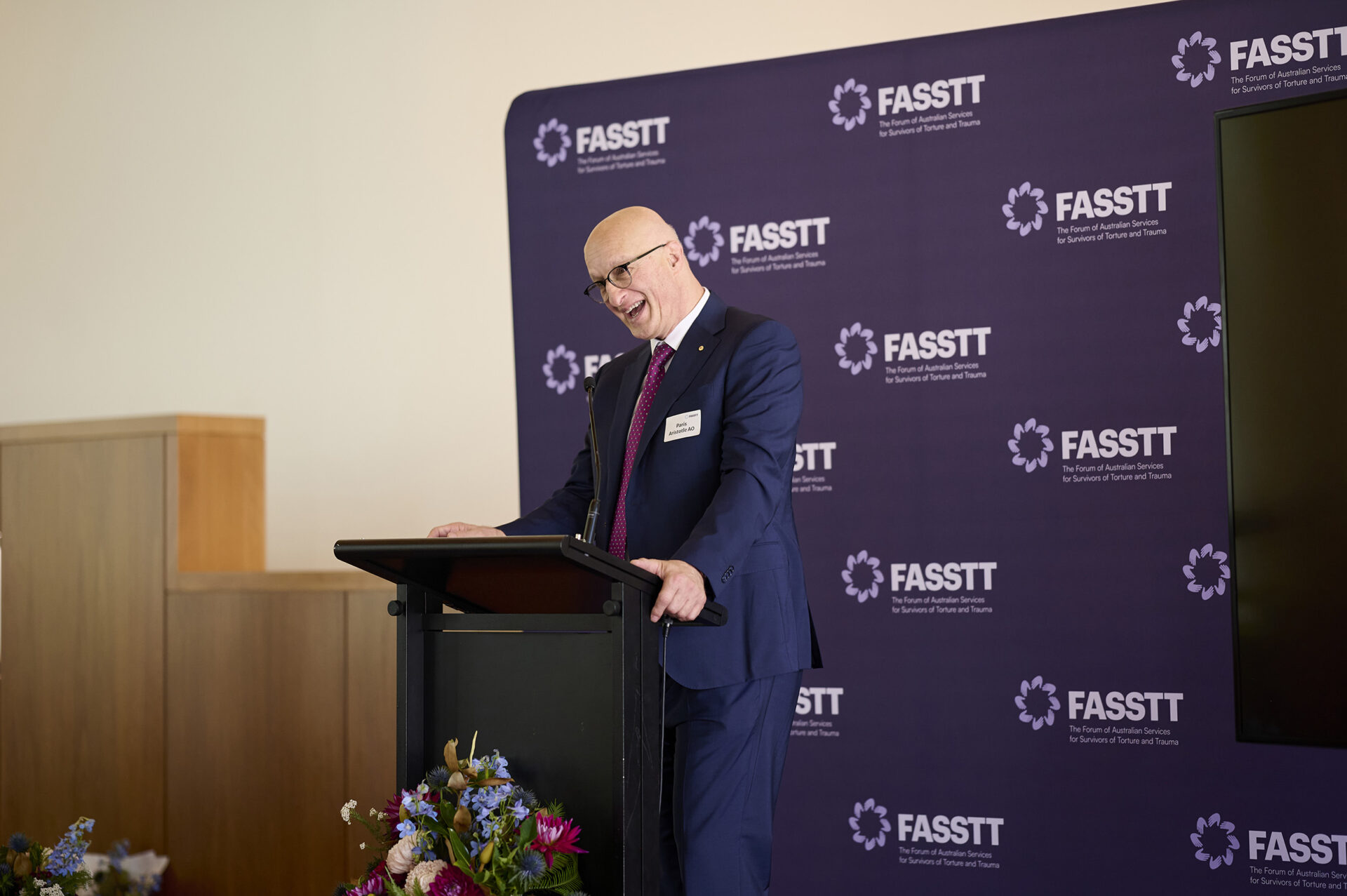
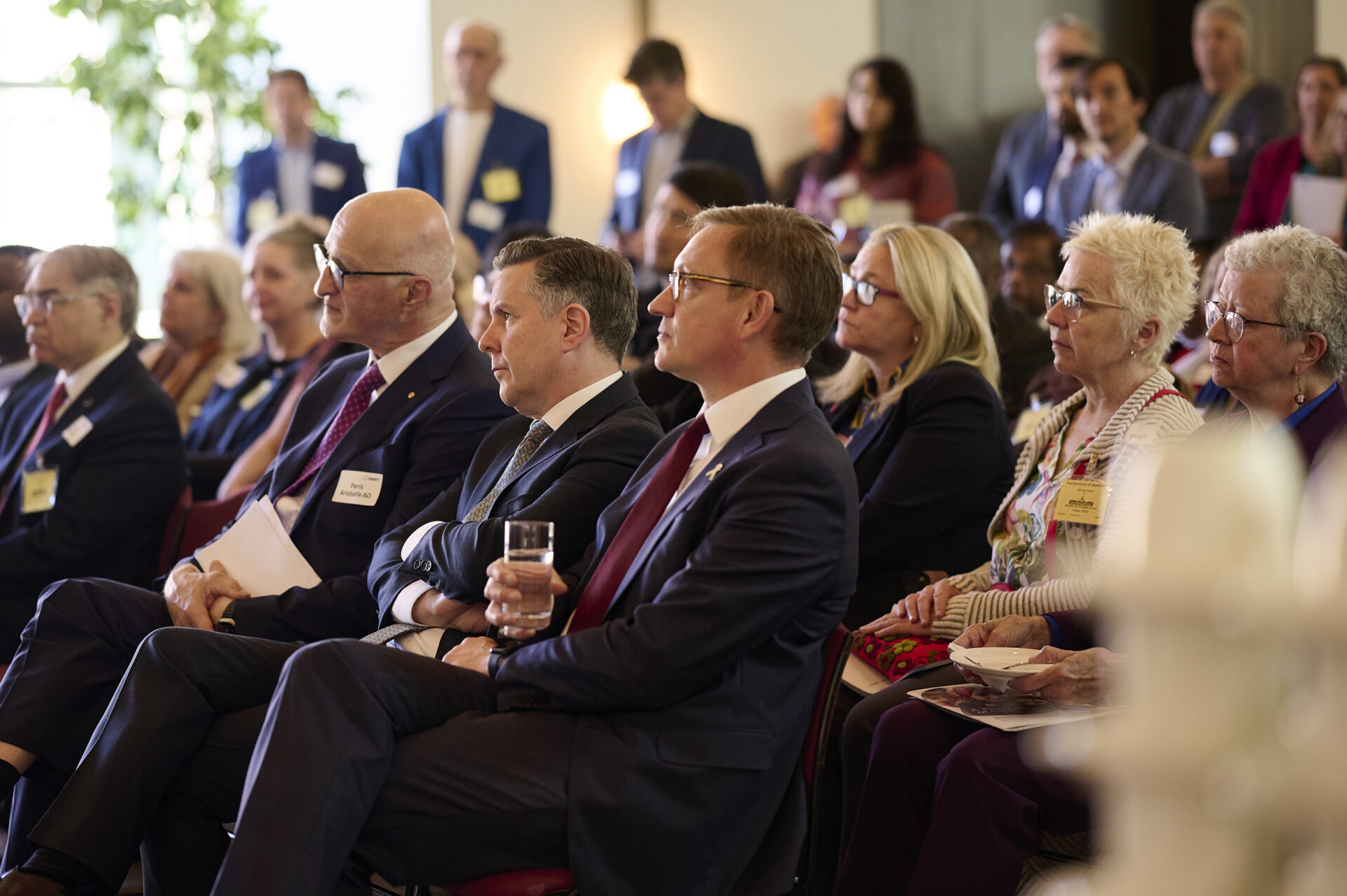
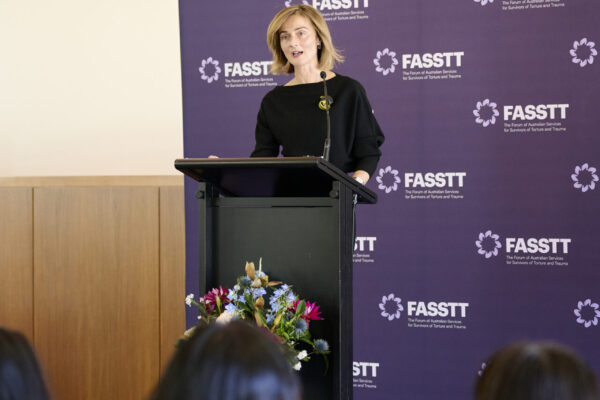
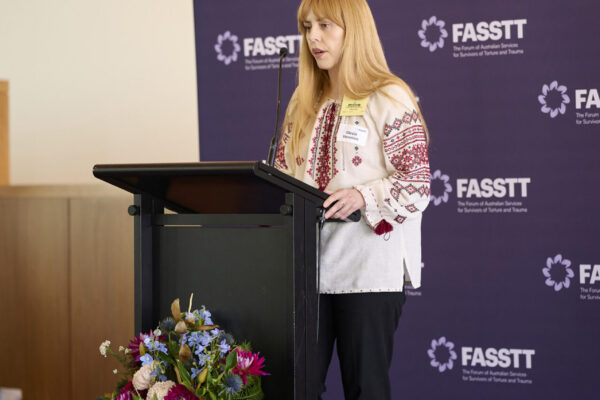
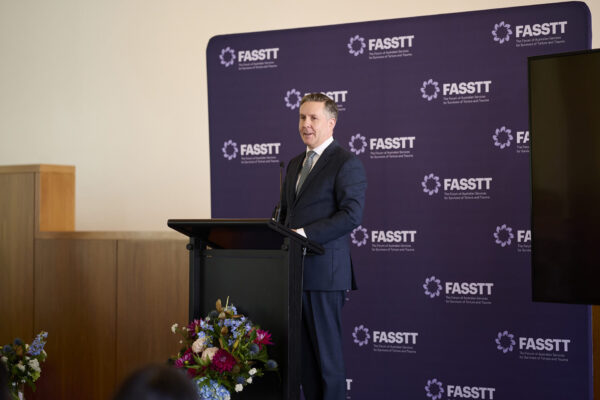
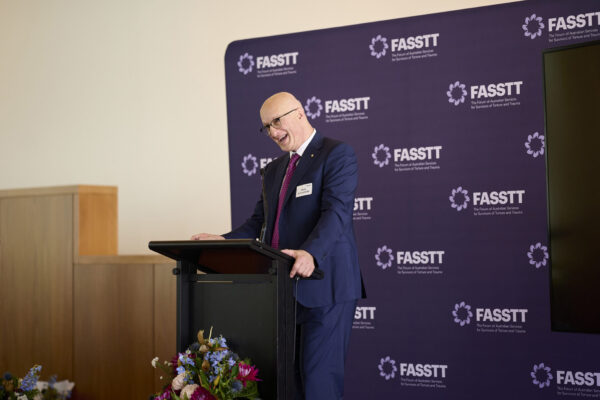
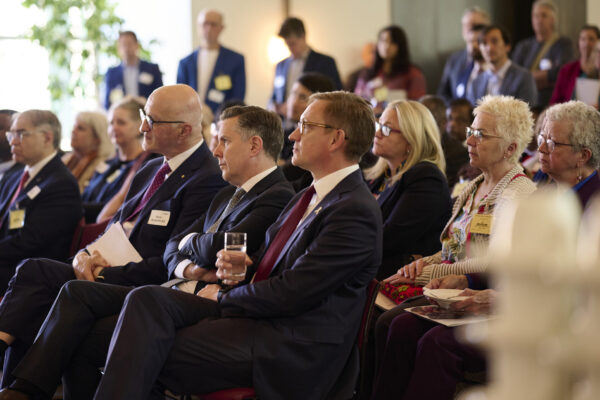
On Wednesday 5th November 2025, FASSTT CEOs and senior leaders, politicians, key stakeholders and community members and leaders came together to celebrate 30 years of the PASTT program. Over the past 30 years, FASSTT agencies have supported 250,000 individuals who have arrived in Australia as humanitarian entrants. FASSTT has supported people in their refugee-trauma recovery journey, through counselling, group work, youth work, and community capacity building. This work has been possible due to the enduring commitment from the Australian Government.
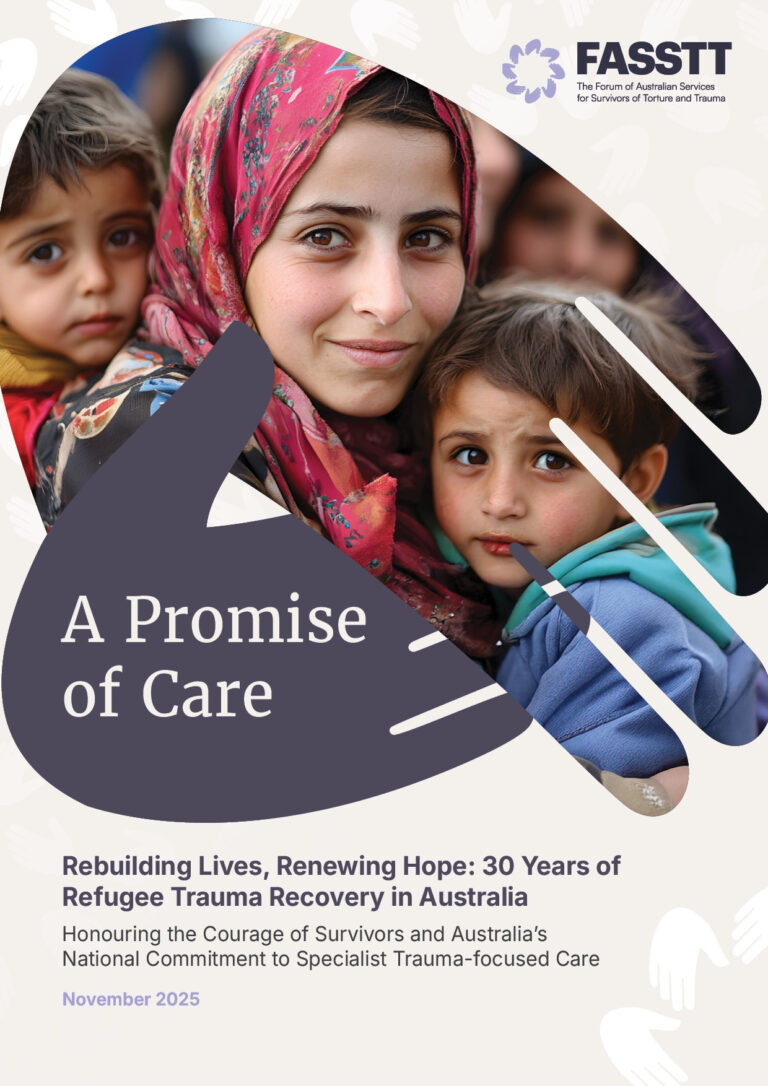
A Promise of Care: Celebrating 30 years of PASTT
This publication highlights the work of the FASSTT agencies over the past 30 years.
When We Begin Again
This film was produced to celebrate 30 years of the PASTT program. Through a recovery lens, clients and participants of FASSTT agencies share their experiences. We thank all survivors who have engaged with and trusted FASSTT agencies in their recovery journey over the past 30 years.
Milestones that Matter:
30 years of Healing, Partnership, and Progress

1992
A national network is born.
Agencies across the country unite to form what would become FASSTT, laying the foundations of a specialist national response.
1996
Knowledge shared, pathways defined.
Australia’s first national conference on refugee trauma recovery brings together clinicians, researchers and community leaders to shape a national vision.
1998
Rebuilding Shattered Lives
The Victorian Foundation for Survivors of Torture publishes the first edition of Rebuilding Shattered Lives, authored by Dr Ida Kaplan. This landmark text becomes the first national framework for refugee trauma recovery in Australia, shaping practice for decades to come.
2002
A nation responds with generosity.
In partnership with Triple J, Australians raise over $400,000 for frontline refugee trauma support, signalling broad public recognition of the importance of recovery.
2006
Expanding access.
Enhanced government commitment broadens the reach of specialist support, enabling more survivors to benefit from trauma-informed, culturally safe care.
2009
Our impact goes global.
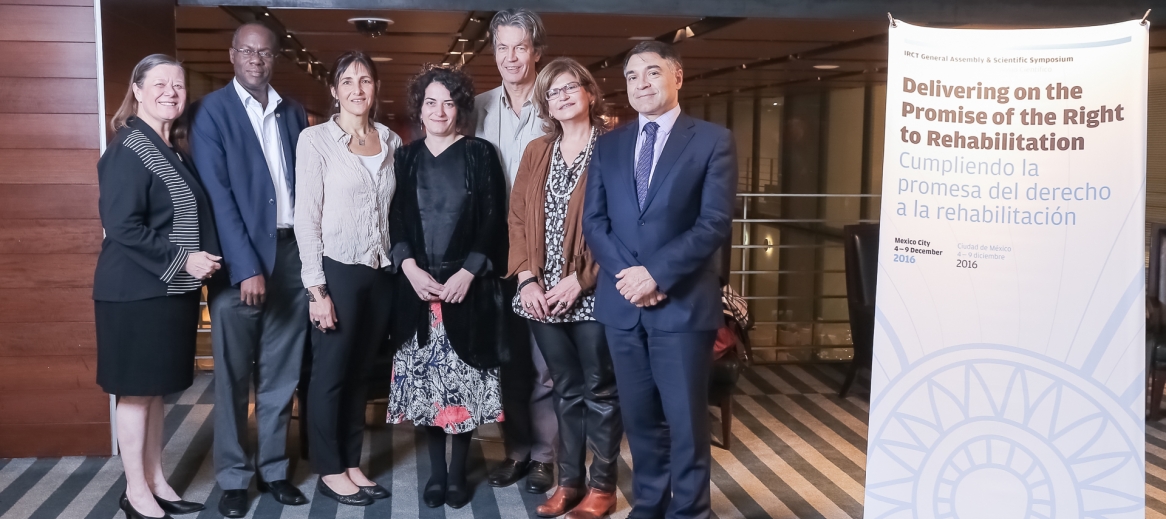
FASSTT is elected to the Pacific Council of the International Rehabilitation Council for Torture Victims (IRCT), strengthening Australia’s role in global networks of healing.
2017
Collaboration across borders.
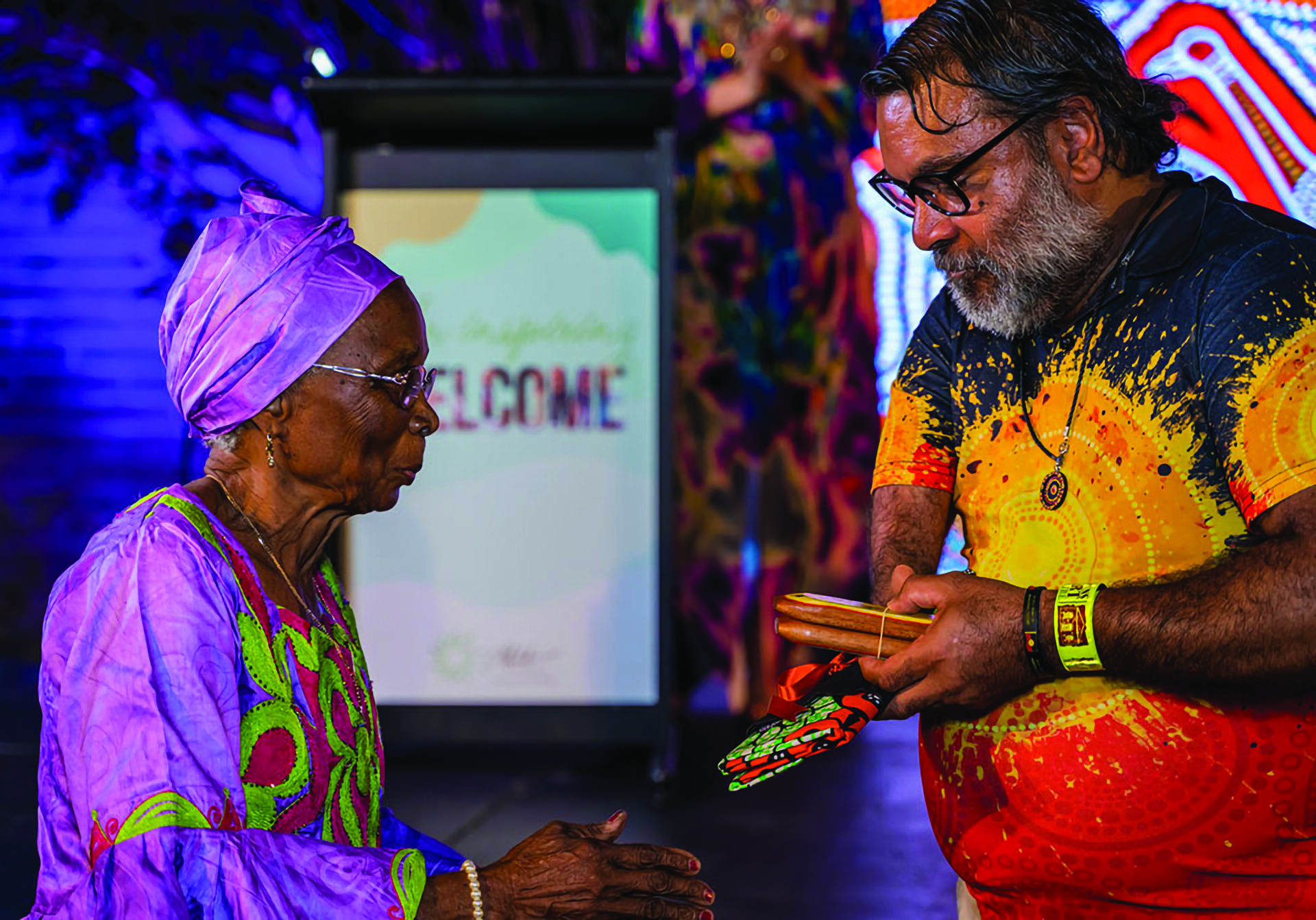
FASSTT hosts the first Australia–New Zealand Refugee Trauma Recovery Conference in Sydney, creating new opportunities for regional exchange.

2020
Pivoting with care.
As the world changed overnight with COVID-19, services adapted quickly, shifting to telehealth and hybrid models. A client reflected: “Even when I couldn’t leave home, I knew my counsellor was still there with me.”
2022
Responding to Ukraine.
Agencies deliver trauma support to newly arrived communities and the Ukrainian diaspora.
An independent evaluation of the program confirms that PASTT changes lives with lasting impact.
2024
Standing with Communities Affected by Conflict
In response to escalating violence in the Middle East and elsewhere (including Sudan, Democratic Republic of Congo and Myanmar), FASSTT agencies worked closely with diaspora communities to deliver culturally safe support.
At the same time, the national minimum dataset was expanded to better capture the full scope of PASTT’s work – including group programs, community capacity building, sector engagement and client feedback – ensuring that the depth and breadth of trauma recovery practice is recognised in national reporting.
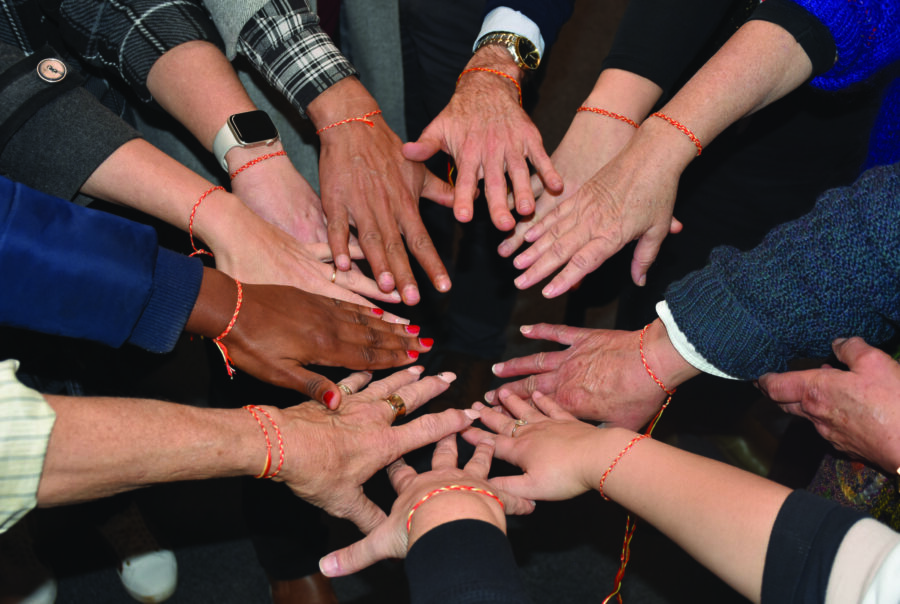
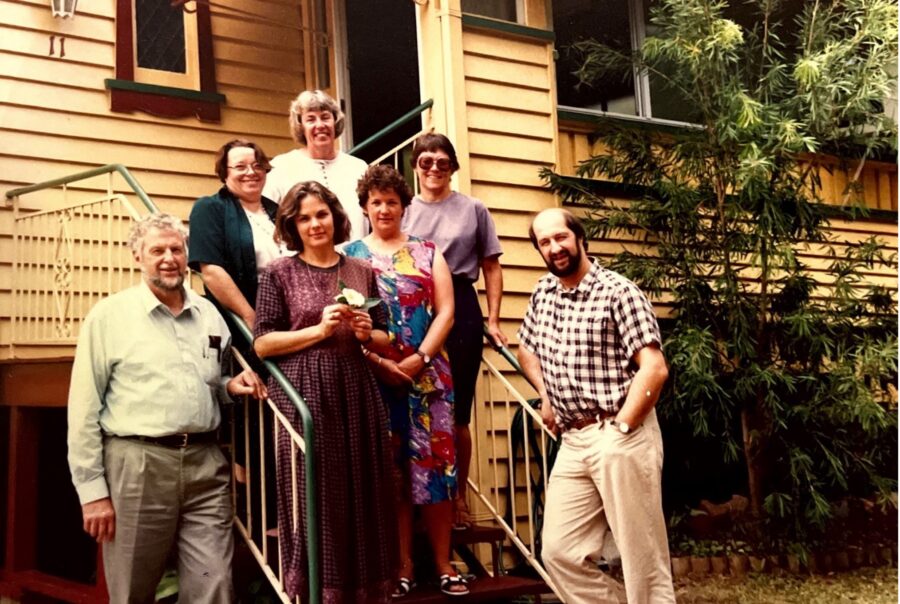
1995
PASTT begins.
The Australian Government commits to long-term, trauma-informed care for survivors of torture and refugee-related trauma. This visionary step ensured that people arriving through the Humanitarian Program would be met with safety and care for their mental health.
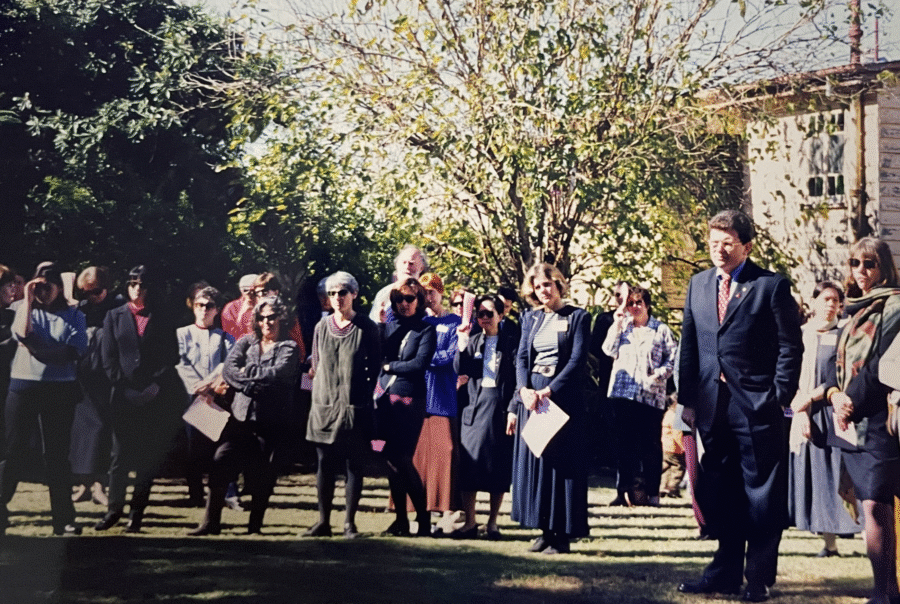
1999
Standing ready in times of crisis.
When thousands of Kosovar and East Timorese refugees arrived through Operation Safe Haven, FASSTT agencies mobilised within weeks. One counsellor recalled: “People arrived with nothing, but with extraordinary resilience. Our role was to create a sense of safety in a place that still felt uncertain.”
2005
Setting the standard.
FASSTT develops Australia’s first national service guidelines for refugee trauma recovery, establishing ethical and clinical benchmarks that endure today.
2008
Speaking with one voice.
FASSTT launches Stage One of the national minimum data set, creating consistent measures of service delivery within each agency across the country.
2010
Deepening the evidence base.
Stage Two of the national minimum data set tracks trauma symptomology, advancing understanding of refugee trauma.
2015
A national gathering of strength.
Over 330 staff come together at the national conference to share knowledge, strengthen practice and build solidarity. “It was the first time I realised just how many people across the country were doing this work with the same heart and the same vision,” said one participant.
2019
Healing in Exile.
The second Australia–New Zealand conference in Brisbane amplifies global voices and places lived experience at the centre of dialogue.
2021
Responding to Afghanistan.
FASSTT mobilises a national trauma response, supporting evacuated families with urgent, culturally responsive care.
2023
Holding hope in an uncertain world.
FASSTT commits to enhanced regional capacity across the network.
The third Australia–New Zealand Refugee Trauma Recovery Conference in Adelaide advances trauma recovery and human rights in the context of an increasingly uncertain world.
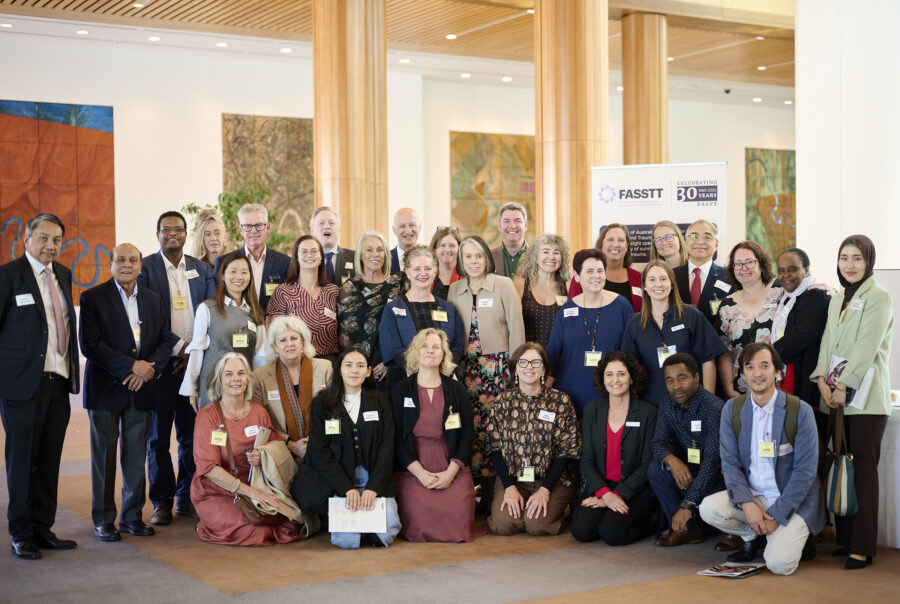
2025
Thirty years on.
The PASTT program honours survivors, communities, staff and sector partners who have made recovery possible. Its legacy is a testament to what can be achieved when governments, services and communities commit to healing.
-
1992
A national network is born.
Agencies across the country unite to form what would become FASSTT, laying the foundations of a specialist national response. -
1995
PASTT begins.
The Australian Government commits to long-term, trauma-informed care for survivors of torture and refugee-related trauma. This visionary step ensured that people arriving through the Humanitarian Program would be met with safety and care for their mental health. -
1996
Knowledge shared, pathways defined.
Australia’s first national conference on refugee trauma recovery brings together clinicians, researchers and community leaders to shape a national vision. -
1998
Rebuilding Shattered Lives
The Victorian Foundation for Survivors of Torture publishes the first edition of Rebuilding Shattered Lives, authored by Dr Ida Kaplan. This landmark text becomes the first national framework for refugee trauma recovery in Australia, shaping practice for decades to come. -
1999
Standing ready in times of crisis.
When thousands of Kosovar and East Timorese refugees arrived through Operation Safe Haven, FASSTT agencies mobilised within weeks. One counsellor recalled: “People arrived with nothing, but with extraordinary resilience. Our role was to create a sense of safety in a place that still felt uncertain.” -
2002
A nation responds with generosity.
In partnership with Triple J, Australians raise over $400,000 for frontline refugee trauma support, signalling broad public recognition of the importance of recovery. -
2005
Setting the standard.
FASSTT develops Australia’s first national service guidelines for refugee trauma recovery, establishing ethical and clinical benchmarks that endure today. -
2006
Expanding access.
Enhanced government commitment broadens the reach of specialist support, enabling more survivors to benefit from trauma-informed, culturally safe care. -
2008
Speaking with one voice.
FASSTT launches Stage One of the national minimum data set, creating consistent measures of service delivery within each agency across the country. -
2009
Our impact goes global.
FASSTT is elected to the Pacific Council of the International Rehabilitation Council for Torture Victims (IRCT), strengthening Australia’s role in global networks of healing. -
2010
Deepening the evidence base.
Stage Two of the national minimum data set tracks trauma symptomology, advancing understanding of refugee trauma. -
2015
A national gathering of strength.
Over 330 staff come together at the national conference to share knowledge, strengthen practice and build solidarity. “It was the first time I realised just how many people across the country were doing this work with the same heart and the same vision,” said one participant. -
2017
Collaboration across borders.
FASSTT hosts the first Australia–New Zealand Refugee Trauma Recovery Conference in Sydney, creating new opportunities for regional exchange. -
2019
Healing in Exile.
The second Australia–New Zealand conference in Brisbane amplifies global voices and places lived experience at the centre of dialogue. -
2020
Pivoting with care.
As the world changed overnight with COVID-19, services adapted quickly, shifting to telehealth and hybrid models. A client reflected: “Even when I couldn’t leave home, I knew my counsellor was still there with me.” -
2021
Responding to Afghanistan.
FASSTT mobilises a national trauma response, supporting evacuated families with urgent, culturally responsive care. -
2022
Responding to Ukraine.
Agencies deliver trauma support to newly arrived communities and the Ukrainian diaspora.An independent evaluation of the program confirms that PASTT changes lives with lasting impact.
-
2023
Holding hope in an uncertain world.
FASSTT commits to enhanced regional capacity across the network.The third Australia–New Zealand Refugee Trauma Recovery Conference in Adelaide advances trauma recovery and human rights in the context of an increasingly uncertain world.
-
2024
Standing with Communities Affected by Conflict
In response to escalating violence in the Middle East and elsewhere (including Sudan, Democratic Republic of Congo and Myanmar), FASSTT agencies worked closely with diaspora communities to deliver culturally safe support.At the same time, the national minimum dataset was expanded to better capture the full scope of PASTT’s work – including group programs, community capacity building, sector engagement and client feedback – ensuring that the depth and breadth of trauma recovery practice is recognised in national reporting.
-
2025
Thirty years on.
The PASTT program honours survivors, communities, staff and sector partners who have made recovery possible. Its legacy is a testament to what can be achieved when governments, services and communities commit to healing.